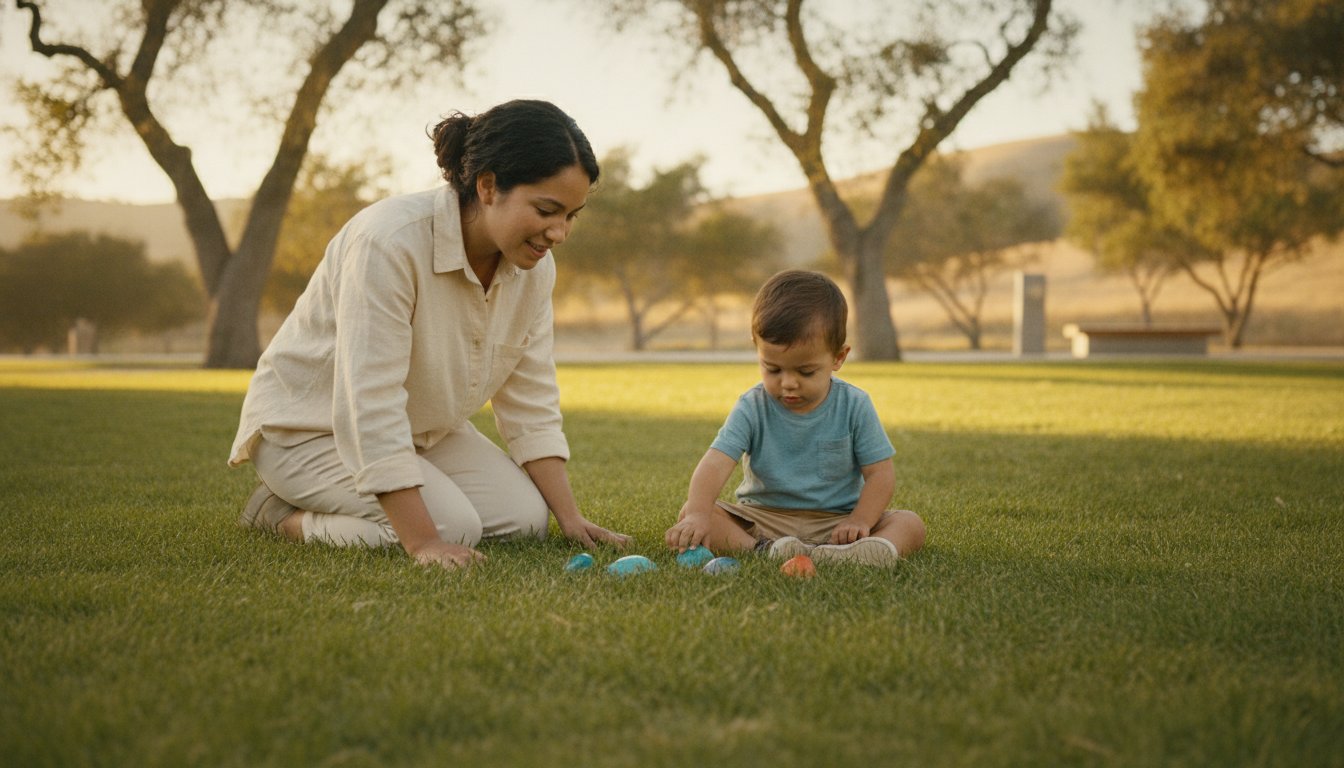
You're watching your toddler at the park, and while other children are sharing toys or babbling to peers, your little one seems overwhelmed or perhaps a bit disconnected. It's a quiet worry that sits in the back of your mind, making you wonder if they're hitting those invisible social milestones on time. It is important to know that seeking a social emotional assessment toddlers may require through the san andreas regional center isn't about finding a label. It's about finding a path forward that celebrates your child's unique strengths while addressing their needs.
We understand the weight of these concerns and the confusion that often comes with the referral process. You aren't alone in this, and your intuition as a parent is your most valuable tool. This guide will show you how to access early intervention services and what to expect when working with the Stars Assessment Program. You'll learn the specific steps for a SARC referral and the 45 day timeline for completing an Individual Family Service Plan. This provides a clear, professional roadmap for families in San Jose and Santa Clara who are ready to turn uncertainty into actionable support.
Key Takeaways
- Understand how social-emotional evaluations identify your child's unique strengths in building relationships and expressing feelings during their most formative years.
- Learn the specific steps to request a social emotional assessment toddlers, san andreas regional center offers to help families access the Early Start program.
- Discover the benefits of a play-based, multidisciplinary approach that keeps evaluations low-stress and natural for your little one while providing clinical clarity.
- Gain peace of mind by understanding the 45-day timeline from your first contact to the creation of a personalized Individual Family Service Plan.
- Find out how to connect with the Stars Assessment Program to access the local expertise SARC trusts for family-centered care in San Jose and Milpitas.
Social-Emotional Assessment for Toddlers: Understanding the First Steps
You've likely spent hours watching your child play, wondering if their big feelings or quiet moments are just a part of growing up. A social-emotional assessment evaluates how a toddler expresses their feelings and builds relationships with the people around them. It isn't a test they can fail. Instead, it's a way to understand how your child perceives the world and interacts with those they love. Social-emotional development serves as the bedrock for all other learning, from sharing toys to following directions in a future classroom.
Seeking a social emotional assessment toddlers might need through the san andreas regional center is a proactive step toward long-term success. While it's tempting to think a child will simply "outgrow" a difficult behavior, early screening ensures that cognitive and communication skills have a strong foundation to build upon. When we address these needs before age three, we give children the best chance to thrive in school and beyond. It's about opening doors early so your child can walk through them with confidence.
Distinguishing between a typical toddler "phase" and a genuine developmental delay can be tricky for any parent. A phase is usually temporary and inconsistent. A delay, however, tends to persist across different environments and doesn't improve with standard parenting shifts. If you feel like you're constantly walking on eggshells or if your child seems stuck in a specific emotional pattern, it's a good time to reach out for professional clarity. Trusting your gut is often the first step in getting your child the support they deserve.
Ultimately, a social-emotional assessment is a collaborative discovery process between experts and parents to identify a child's unique path toward growth.
Common Signs That May Warrant an Evaluation
Every child develops at their own pace, but certain patterns suggest that a little extra support could be helpful. You might notice your child struggling more than their peers in specific social settings. Look for these signs:
- Difficulty with self-regulation, such as extreme or prolonged emotional responses that seem out of proportion to the situation.
- Challenges in making eye contact or a noticeable lack of response to social cues, smiles, and facial expressions.
- Limited interest in interacting with peers or caregivers, often preferring to play in isolation even when others are present.
The Connection Between Emotion and Communication
It's common for social-emotional delays to mirror or even cause speech delays. If a child struggles to connect with others emotionally, they may not feel the same drive to use language to communicate their needs. This is why the multidisciplinary team at the Stars Assessment Program looks at the "whole child." We bring together specialists in speech, social skills, and cognition to see how these areas overlap and influence each other.
For parents in San Jose, the "wait and see" approach can often lead to missed opportunities during these critical early years. Acting early doesn't mean something is "wrong" with your child. It means you're providing them with the specific tools they need to communicate their heart and mind effectively. We're here to help you bridge that gap with empathy and expertise.
Navigating the San Andreas Regional Center (SARC) Referral Process
The San Andreas Regional Center (SARC) serves as a vital community hub for families in Santa Clara, Santa Cruz, San Benito, and Monterey counties. It's a non-profit organization that coordinates services and support for individuals with developmental disabilities. For parents of very young children, SARC is the primary gateway to California's Early Start program. This program is specifically designed to support infants and toddlers from birth to 36 months who may have developmental delays or are at risk for them. You don't need a doctor's note to reach out; parents have the right to self-refer if they have any concerns about their child's growth.
Initiating a referral is a straightforward but significant step. Once you contact SARC to request a social emotional assessment toddlers might require through the san andreas regional center, a clock starts ticking. By law, the entire process from your first contact to the completion of an Individual Family Service Plan (IFSP) must happen within 45 days. This timeline ensures that your child doesn't lose precious developmental time while waiting for paperwork. It provides a structured, predictable path forward during a time that can otherwise feel quite uncertain.
Regional Center Eligibility Criteria
To qualify for Early Start services, a child must meet specific criteria set by the state. Generally, this includes a developmental delay of at least 25% in one or more areas, such as social-emotional, communication, or cognitive skills. However, eligibility isn't just about percentages. Children can also qualify if they have an "established risk" condition or certain "at-risk" factors that suggest a high probability of developmental delay. Best of all, the initial evaluation and assessment are provided at no cost to your family, ensuring that every child has access to the support they need regardless of their financial situation.
The Role of Stars Assessment Program as a SARC Partner
SARC often partners with specialized clinical teams to conduct these evaluations. In Santa Clara and San Benito counties, SARC frequently trusts the Stars Assessment Program to provide these high-quality assessments. We act as a bridge between the administrative intake at SARC and the practical, play-based evaluation your child receives. The handoff is designed to be seamless so you don't have to repeat your story to multiple strangers. Our clinical team works closely with SARC coordinators to ensure your child's unique needs are identified with precision and heart. If you're ready to start this journey, you can learn more about The Stars Program Approach to Emotional Growth to see how we support your family's next steps.
Inside the Evaluation: What Happens During a Social-Emotional Assessment?
Walking into an evaluation room can feel like stepping into the unknown. We want you to know that this isn't a sterile medical exam; it's a supportive environment designed to let your child's personality shine. When you schedule a social emotional assessment toddlers need through the san andreas regional center, you're meeting a team of partners who are as invested in your child's success as you are. The goal is to make the experience feel like a structured playdate rather than a clinical trial.
Our approach is multidisciplinary. This means we don't just look at one isolated slice of development. We bring together expertise from speech, cognitive, and social specialists to see how your child moves, communicates, and thinks all at once. By combining these different perspectives, we get a much clearer picture of your child's "whole self." This collaborative effort ensures that no single observation carries too much weight and that we see the full context of your child's growth.
Most of the evaluation happens through play-based observation. Experts watch how your child reaches for a toy, how they react to a new game, and how they look to you for reassurance. It's a natural, low-stress way to see their skills in action. We also place immense value on the parent interview. You're the primary expert on your child's daily life. Your observations about how they act at home, how they sleep, and how they interact with siblings are just as important as what we see during our time together in the office.
It's helpful to remember that an assessment is a snapshot of a child’s current skills, used to build a bridge to their future potential.
Key Areas Measured in Social-Emotional Screening
During the evaluation, the clinical team focuses on several core areas that define early social health. These include:
- Attachment: The way your child builds and maintains a secure relationship with you and other primary caregivers.
- Self-regulation: Their developing ability to self-soothe and manage big emotions or transitions when things don't go as planned.
- Joint Attention: The way they share an interest in an object or event with another person, which is a vital building block for all future communication.
Specialized Screenings: Autism and Down Syndrome
If there are specific concerns, the evaluation can include targeted autism screenings even for children under age three. We also tailor our assessments for children with established conditions like Down syndrome, ensuring the goals we set are realistic and supportive of their specific developmental path. Understanding the Early Start eligibility criteria helps ensure we're looking for the right markers of progress. Throughout this process, we prioritize cultural sensitivity and language accessibility, making sure every family feels heard and respected. This inclusive approach ensures that the roadmap we create together truly fits your family's life.

Choosing the Right Assessment Partner in Santa Clara County
Selecting a partner for your child's developmental journey is a deeply personal decision. In Santa Clara County, families in San Jose, Milpitas, and Morgan Hill benefit from local providers who understand the specific resources available in our community. When you seek a social emotional assessment toddlers may need through the san andreas regional center, choosing a provider within the local ecosystem ensures that follow-up care is accessible and tailored to your neighborhood's services. Local expertise means your provider isn't just a distant office; they're a community advocate who knows the local parks, schools, and support groups that will eventually become part of your child's life.
A high-quality assessment center should offer more than just clinical data. It needs to balance authoritative expertise with profound empathy. Efficiency also matters because every day in a toddler's life is a milestone. You want a team that respects your time while providing a thorough, family-centered evaluation. This balance ensures that you leave the office feeling empowered rather than just processed. We believe that the best assessments happen when parents feel like respected members of the clinical team. Our team is specifically trained to conduct the social emotional assessment toddlers receive through the san andreas regional center partnership, ensuring a smooth transition from your first call to your first appointment.
The Stars Assessment Program Difference
The "Birth to Three" window is a critical period for brain development. At Stars, we specialize exclusively in this age group, which allows us to stay at the forefront of early intervention research. Our environment is designed to be a "safe harbor" for both curious toddlers and anxious parents. We've built a proven track record with families across Santa Cruz, Salinas, and Gilroy by prioritizing a "Parent as Partner" philosophy. We don't just observe your child; we listen to your story and use your insights to guide our findings. If you're ready to take this step, you can contact Stars Assessment Program today to learn more about our local services.
What to Look for in Evaluation Reports
Once the evaluation is complete, the report should serve as a clear roadmap rather than a confusing medical document. Look for clarity and a lack of cold jargon. You should be able to read the findings and feel validated, not overwhelmed. High-quality reports provide actionable recommendations that lead directly to early intervention services. Most importantly, they should highlight your child's strengths as much as their areas for growth. A report that only lists "deficits" misses the full picture of who your child is. It should provide a steady thread of hope and a clear path toward the next developmental milestone.
Next Steps: How to Access Early Intervention Services
Taking the leap from noticing a delay to scheduling an evaluation is often the hardest part of the journey. Once you decide to move forward, the focus shifts from observation to active partnership. You can begin by contacting SARC directly or reaching out to our team to start the process. By securing a social emotional assessment toddlers need through the san andreas regional center, you're initiating a collaborative effort that puts your child's well-being first. This isn't just a clinical requirement; it's the beginning of a dedicated support system for your family through the Stars Assessment Program.
To make the most of your first meeting, gather any relevant medical records or notes from your pediatrician. It's also helpful to keep a simple log of your child's behaviors for a few days. Note things like how they react to new environments, how they seek comfort when upset, or any specific social challenges you've noticed at the park or during playdates. These real-world examples provide the clinical team with essential context that a single office visit might not capture. Your voice is a vital part of the data we collect during this window.
After the evaluation, the team will share their findings with you in clear, accessible language. If your child is eligible for services, the next step is the creation of an Individual Family Service Plan (IFSP). This document serves as a personalized roadmap, outlining specific goals and the services your child will receive to reach them. As we discussed, California law requires that this entire process happens within 45 days. This structure ensures that your child begins receiving support without unnecessary delays.
Step-by-Step Referral Guide
We want the path to support to be as clear as possible. Here is how you can begin:
- Step 1: Identify your specific concerns and discuss them with your pediatrician to see if they recommend a formal evaluation.
- Step 2: Submit a request via the Stars Assessment Request form to let our team know you're ready to start.
- Step 3: Complete an intake interview with a SARC service coordinator to establish your child's file and initial needs.
- Step 4: Schedule your multidisciplinary evaluation with the Stars team at a time that works best for your family's routine.
Empowering Your Family for the Journey Ahead
Throughout this process, it's important to remember that you are the primary expert on your child. While we bring clinical expertise, you bring the deep, daily knowledge of your child's heart and personality. Don't hesitate to ask questions or advocate for what you feel is best. You can also access local Family Resource Centers (FRC) in Santa Clara County for additional parent-to-parent support and community connections. We're here to walk beside you every step of the way. Request an assessment today to begin your child's roadmap to growth.
Embracing Your Child's Unique Path to Growth
Your child's early years are a season of incredible transformation, and your decision to seek clarity is one of the greatest gifts you can give them. By understanding the process for a social emotional assessment toddlers need through the san andreas regional center, you've moved from a place of uncertainty to one of empowered action. These early screenings are designed to celebrate your child's current strengths while building a bridge to their future potential. Whether you are in San Jose, Santa Clara, or Santa Cruz, you have a dedicated community of experts ready to support your family's unique journey.
As a contracted SARC provider, the Stars Assessment Program offers a multidisciplinary specialist team that understands the critical birth to three window. We prioritize a family-centered approach in every evaluation, ensuring that you feel heard and validated at every turn. You don't have to navigate this developmental path alone. The roadmap to your child's social and emotional growth is ready, and it begins with a single, supportive step toward early intervention.
Request a Social-Emotional Assessment for Your Toddler
We look forward to partnering with you and helping your little one thrive in their own beautiful way.
Frequently Asked Questions
What is the difference between SARC and the Stars Assessment Program?
The San Andreas Regional Center (SARC) is the state-funded agency that manages intake and eligibility for early intervention, while the Stars Assessment Program is the expert clinical team contracted to perform the actual evaluations. Think of SARC as your primary coordinator and Stars as the specialists who conduct the social emotional assessment toddlers receive to determine their specific needs. This partnership ensures that families in Santa Clara County receive both administrative support and high-quality clinical care.
How much does a social-emotional assessment cost for families in California?
Evaluation, assessment, and service coordination through the Early Start program are provided at no cost to the family. California's system ensures that every child can access developmental screenings regardless of their family's income or insurance status. While some medically necessary treatments later on might involve insurance, the initial process of determining if your child needs help is always accessible and free of charge to parents.
Will my child receive a diagnosis after a social-emotional evaluation?
A social-emotional evaluation focuses on identifying developmental delays and service eligibility rather than just providing a medical diagnosis. While the team can screen for specific conditions like autism, the primary goal is to create a roadmap for support through the san andreas regional center. The results help determine if your child qualifies for an Individual Family Service Plan (IFSP) to address their unique growth areas.
How long does the actual assessment take for a toddler?
The direct observation portion of the assessment typically takes between one and two hours of play-based interaction. We keep the sessions short to match a toddler's natural attention span and energy levels. While the in-person meeting is brief, the clinical team spends additional time reviewing your child's history and your parent interview to ensure the final report is thorough and accurate.
Can I request an evaluation if my child is already two and a half years old?
Yes, you can request an evaluation as long as your child is under 36 months of age. The Early Start program is designed specifically for the birth-to-three window. If your child is two and a half, it's an ideal time to reach out because it allows enough time to establish services before they transition into the school district system at age three.
What happens if my child is found ineligible for SARC services?
If your child doesn't meet the state's criteria for a significant delay, the team will still provide you with valuable community resources and guidance. You can access support through local Family Resource Centers or follow up with your pediatrician for other local programs. We encourage parents to keep monitoring their child's progress and to request a new evaluation if new concerns arise in the future.
Do I need a doctor's referral to get a social-emotional assessment?
You don't need a doctor's referral to begin the process with SARC or the Stars Assessment Program. While many parents do discuss concerns with their pediatrician first, California law allows for parental self-referral. If you feel something isn't quite right with your child's social or emotional development, your intuition is enough to start the request for an evaluation today.
Is the assessment available in languages other than English, such as Spanish?
Yes, assessments are available in multiple languages, including Spanish, to ensure every family in our community feels understood. We believe that cultural sensitivity and language accessibility are essential for an accurate evaluation. When you first contact SARC or the Stars team, simply let us know your preferred language so we can match you with the right specialists for your family.


